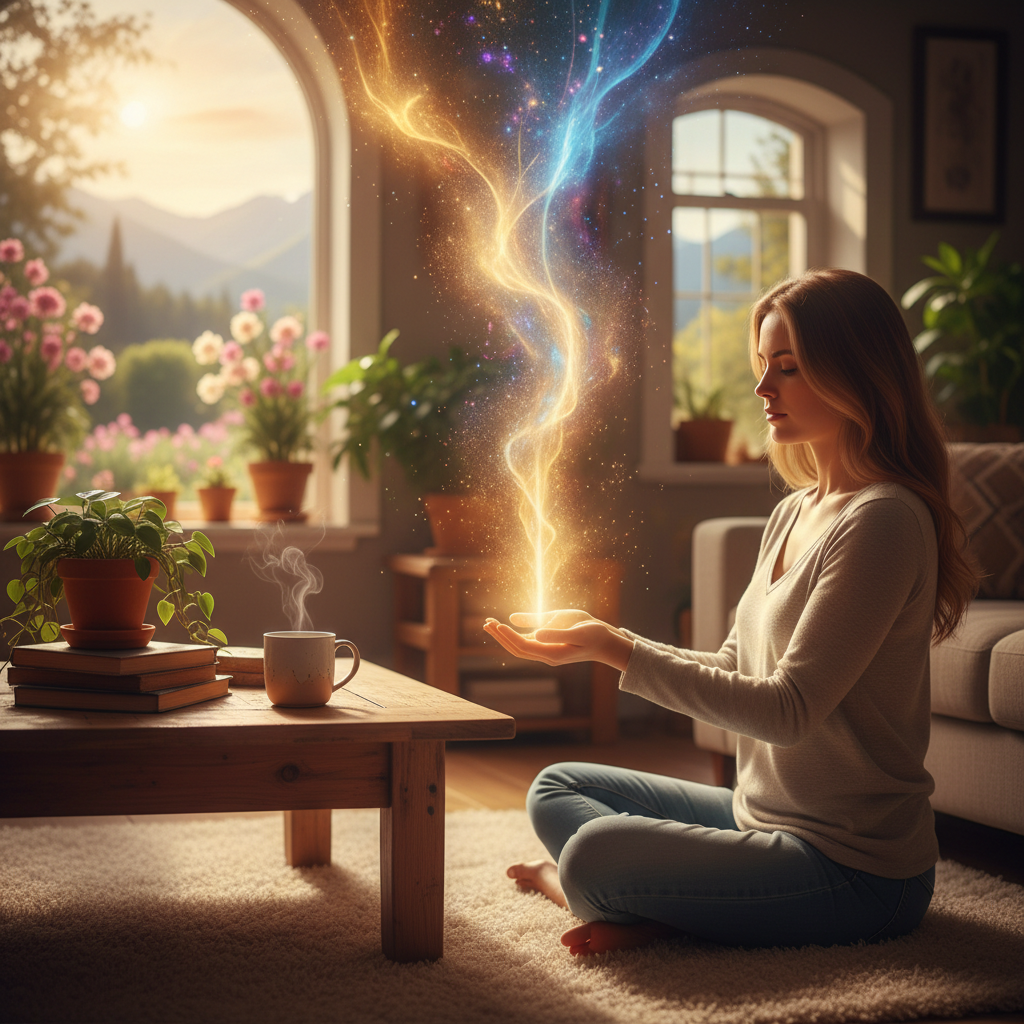
You came back. The ceremony is over, the visions have quieted, and you are here — in your body, in your kitchen, in your ordinary life. And yet something has shifted. A door was opened. Now the real work begins.
Plant medicine — whether ayahuasca, psilocybin, peyote, or another sacred teacher — has a way of cracking you open with astonishing precision. In a single night, you may have witnessed patterns that took decades to form, felt grief you didn't know you were carrying, or touched a quality of love so vast it rearranged something deep in your architecture. The experience itself is profound. But the experience is not the integration.
Integration is where the medicine truly lives. It is the slow, embodied, sometimes unglamorous process of weaving insight into life. Without it, even the most transformative ceremony can fade like a dream by morning — vivid, then distant, then gone.
Why Integration Is the Whole Journey
There is a growing body of research pointing to what many indigenous traditions have always known: the healing doesn't happen in the peak experience alone. A landmark study published in the Journal of Psychopharmacology found that the long-term benefits of psilocybin-assisted therapy — including reductions in depression and increases in well-being — were strongly correlated not just with the experience itself, but with how meaningfully participants integrated their insights afterward.
The medicine opens a window. Integration decides what you do with the view.
"Psychedelics don't cause the healing. They create the conditions in which healing becomes possible. What you do afterward is everything."
— Françoise Bourzat, therapist and author of Consciousness Medicine
This distinction matters deeply. The ceremony was a transmission. Integration is the translation — bringing that frequency into your thoughts, your relationships, your nervous system, your daily choices. It is where the Internal Self dimension of your life becomes a living practice rather than a passing revelation.
The Pillars of Meaningful Integration
1. Journaling — Giving the Inner World Language
Write. Not to perform, not to make sense of everything at once — but to give your experience a body, a form, a place to land. In the days and weeks following ceremony, your psyche is in a state of heightened neuroplasticity. Research from Frontiers in Psychiatry suggests that psychedelics temporarily increase cognitive flexibility and the ability to form new neural connections — a window that journaling can help anchor.
Ask yourself gently: What did I feel most deeply? What wants to be released? What wants to be remembered? Let the writing be messy. Let it be sacred. Witness yourself on the page without judgment — that is the practice.
2. Somatic Work — Letting the Body Complete the Story
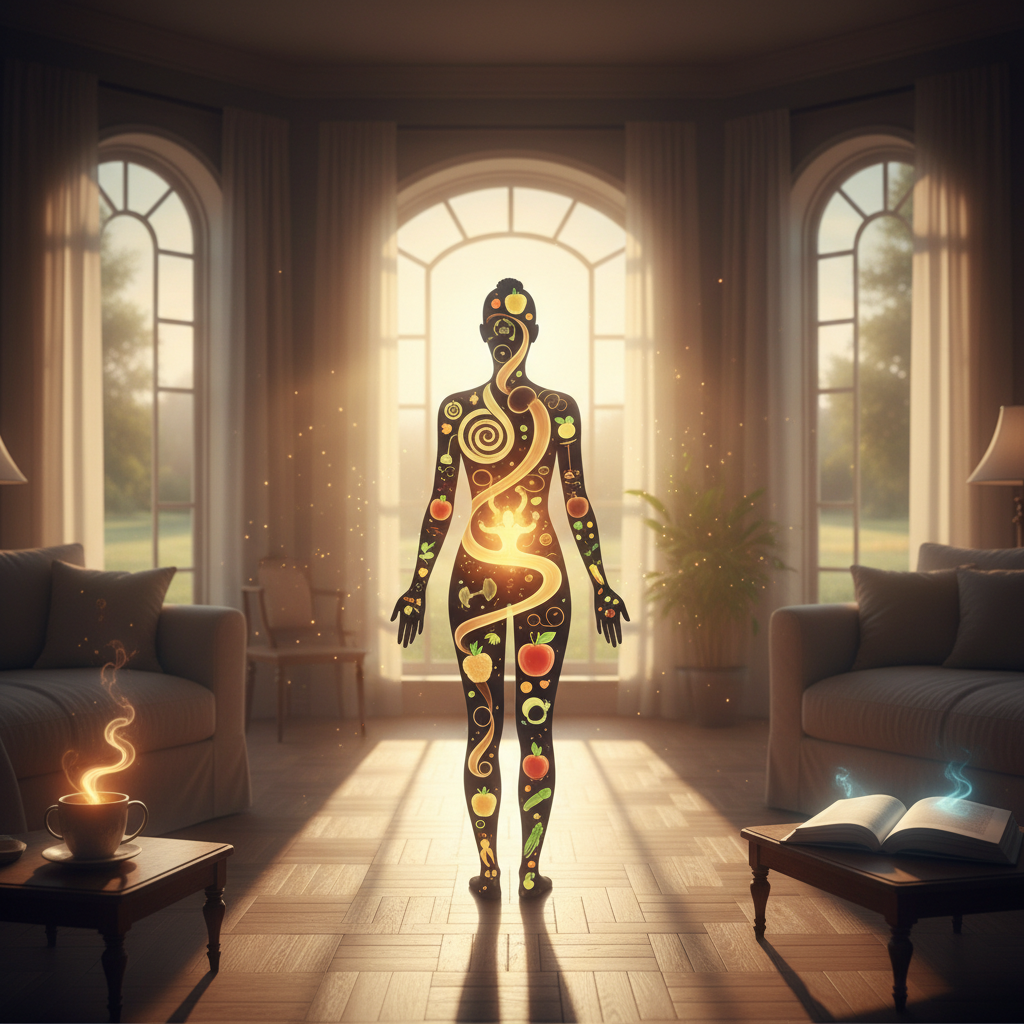
Plant medicine speaks to the body as much as the mind. What you felt — the trembling, the weeping, the expansion in your chest — was your nervous system processing years of stored experience. That process needs a gentle, embodied continuation.
Practices like yoga, conscious breathwork, cold immersion, or somatic therapy allow the body to finish sentences the mind has started. Peter Levine's work on Somatic Experiencing offers one of the most respected frameworks for this — supporting the nervous system to complete trauma responses that have been frozen in the tissue. After ceremony, your body deserves this kind of care. Move slowly. Breathe consciously. Touch the earth.
3. Integration Therapy — A Trusted Witness
One of the most powerful things you can do after a plant medicine experience is sit with a skilled, trauma-informed therapist or integration coach who can help you translate the symbolic, emotional, and visionary content of your experience into clear, actionable insight.
This is not about pathologizing the experience. It is about having a grounded companion who can help you metabolize what arose — especially if difficult material surfaced around trauma, grief, or identity. Organizations like MAPS (Multidisciplinary Association for Psychedelic Studies) offer directories of trained integration therapists. You deserve support that meets the depth of what you experienced.
4. Changed Behavior — Where Insight Becomes Integrity
The medicine may have shown you clearly: the relationship that is draining you, the habit that no longer serves, the boundary you keep abandoning, the creativity you keep deferring. This is perhaps the most tender pillar of integration — because insight without behavior change eventually becomes spiritual bypassing.
You don't have to change everything at once. In fact, trying to do so often creates overwhelm and regression. Instead, choose one small, consistent expression of what you learned. One morning practice. One conversation you've been avoiding. One act of self-devotion that honors the version of yourself the medicine reflected back to you. Let Purposeful Presence be the bridge between vision and reality.
5. Community — Integration Is Relational
We often emerge from ceremony with a raw, luminous openness — and then return to environments that don't have language for what we've touched. This is why community is not optional in integration. It is essential.
Finding others who understand the journey — whether through integration circles, conscious community spaces, or sharing within your most trusted relationships — creates the relational container that allows the medicine's gifts to take root in real life. The VIBEUP value of Co-Creative Communion is alive here: we do not heal in isolation. Shared witness is itself a form of medicine.
The Integration Timeline — Longer Than You Think
Many practitioners suggest that meaningful integration takes between three months and a year following a significant ceremony — sometimes longer. The psyche works slowly, in spirals, not straight lines. What didn't make sense in the first week may crystallize with breathtaking clarity six months later. What felt resolved may resurface, asking for another layer of attention.
Be patient with your own unfolding. This is not a process to rush. It is a Healing & Transformation arc — one that asks for your presence, your tenderness, and your willingness to be changed by what you've seen.
The medicine trusted you with something real. Integration is how you honor that trust.
A Gentle Invitation
Before you move to the next thing — close your eyes for a moment. Place one hand on your heart and one on your belly. Breathe into both.
Ask yourself, without pressure, without needing an answer right away: What is the one thing the medicine most wanted me to remember? And what is the smallest, most loving step I can take today toward living it?
Let the answer rise from the body. Not the mind. The body knows. It has always known.
You are already in the integration. Every breath is a step. Every honest moment is the medicine, still moving through you.
Further Exploration
- Consciousness Medicine by Françoise Bourzat — A comprehensive guide to preparation and integration with plant medicines, written by one of the field's most respected practitioners.
- MAPS Integration Resources — Therapist directories, research summaries, and community support for psychedelic integration.
- Somatic Experiencing International — Peter Levine's body-based approach to trauma healing — a powerful complement to post-ceremony embodiment work.